Content on this page may include affiliate links. If you click and sign up/place a wager, we may receive compensation at no cost to you.
Lawmakers discuss potential harms, benefits of legal online casinos in Washington, D.C.
With a Council Bill floated to potentially legalize real money online casino apps in Washington, the Committee on Human Services has begun evaluating the advantages and drawbacks of iGaming.

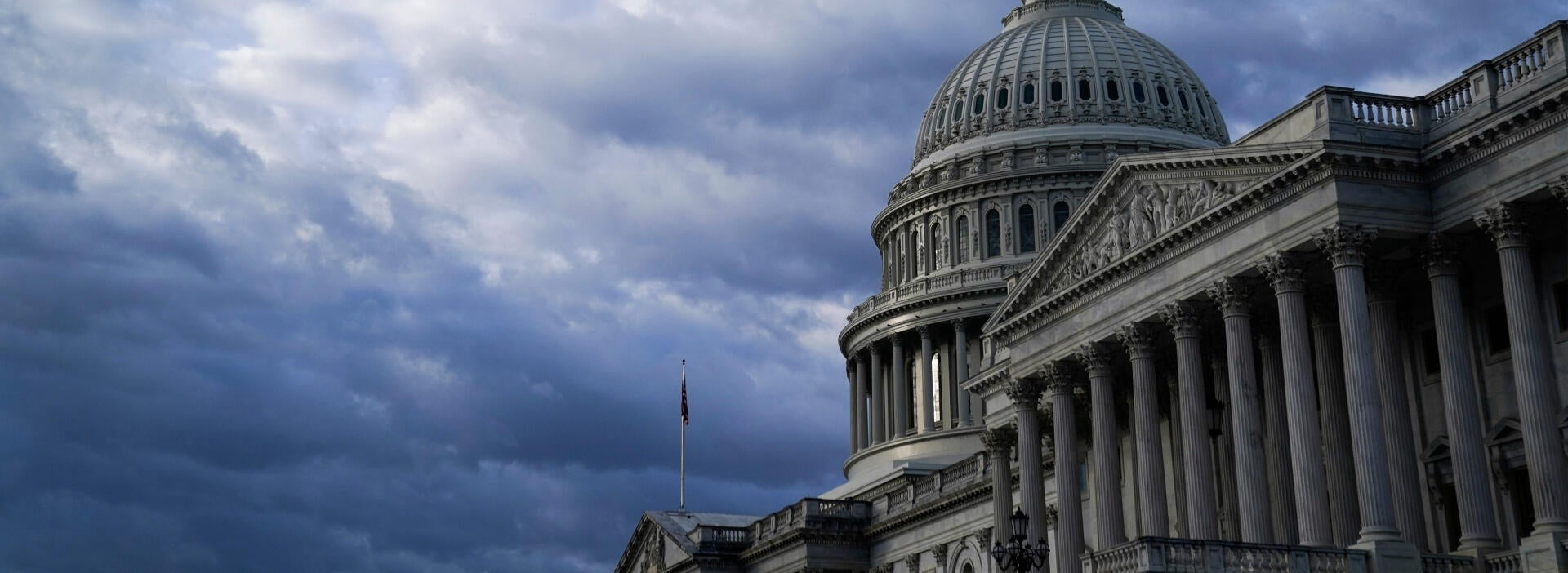
At least some progress has begun toward the possible legalization of online casinos in Washington, D.C., as the Council of the District of Columbia's Committee on Human Services has started evaluating the potential harms and benefits of authorizing regulated mobile casino gaming in the District. The group took in several hours of testimony regarding the pros and cons of bringing in legal casino apps.
Details of proposed Washington online casino bill
Introduced by Councilmember Wendell Felder in early April, Bill 26-656 – also known as the Internet Gaming and Consumer Protection Act of 2026 – would not only legalize real money online casino platforms but also ban online sweepstakes casinos.
As Felder said to open the committee hearing, the proposal and the discussion is not about "encouraging gambling," rather "recognizing reality and responding responsibly."
Felder's legislation, which does not have a limit on how many new online casinos could launch in the District, carves out two mobile skins for each operator, while the Office of Lottery and Gaming (OLG) could authorize additional skins following a display of "good cause" by interested parties.
The councilmember noted that initial tax revenue from regulated iGaming could reach into tens of millions of dollars that could be used to support behavioral health services, responsible gaming programs and "broader community investments." Overall, Felder emphasized when introducing the bill, the fiscal impact in Washington could be "meaningful."
Still, concerns remain.
Testimony reveals potential harms of DC online casinos
Randy Burnside, director of the OLG, pointed out that the legalization of casino games online could cannibalize the District's online lottery offerings, though he conceded that revenue generated by licensed online casinos might offset that.
On top of that, anti-online gambling groups such as the National Association Against iGaming (NAAiG) and the Campaign for Fairer Gambling (CFG) made it clear that, to them, projected revenue from safe online casinos is not only an overestimate, but it also doesn't outweigh the negative impact that the industry would have on residents.
Brianne Doura-Schawohl, representing the CFG, refuted Felder's claim that a regulated online casino industry would eliminate or even cut into black market operations. Doura-Schawohl cited a Penn State University study that indicated more than 10% of Pennsylvania adults used illegal gambling sites in 2025, reflecting a 6% increase from the previous year. Similarly, a representative of the NAAiG reported that illegal gambling revenue had a year-over-year increase of nearly 64% in 2024.
What's more, she said, online gambling relies on customers who struggle with responsible gambling. Les Bernal, national director of Stop Predatory Gambling, added that by legalizing Washington online casinos, lawmakers simply give operators access to more customers rather than actually protecting them from the potential harms of gambling.
Felder's proposed legislation does address responsible gambling, laying out several requirements that online casinos must adhere to. That includes eight responsible gaming tools ranging from deposit and loss limits to time restraints to cooling-off periods and self-exclusion.
The committee did not vote on the bill, which will need to be approved by a full 13-member council before it becomes law.
