




Content on this page may include affiliate links. If you click and sign up/place a wager, we may receive compensation at no cost to you.
US tax news: Tax increase to go into effect on reported slot machine jackpots
Updated guidance by the IRS confirmed that the casino slot tax reporting threshold will nearly double in 2026.
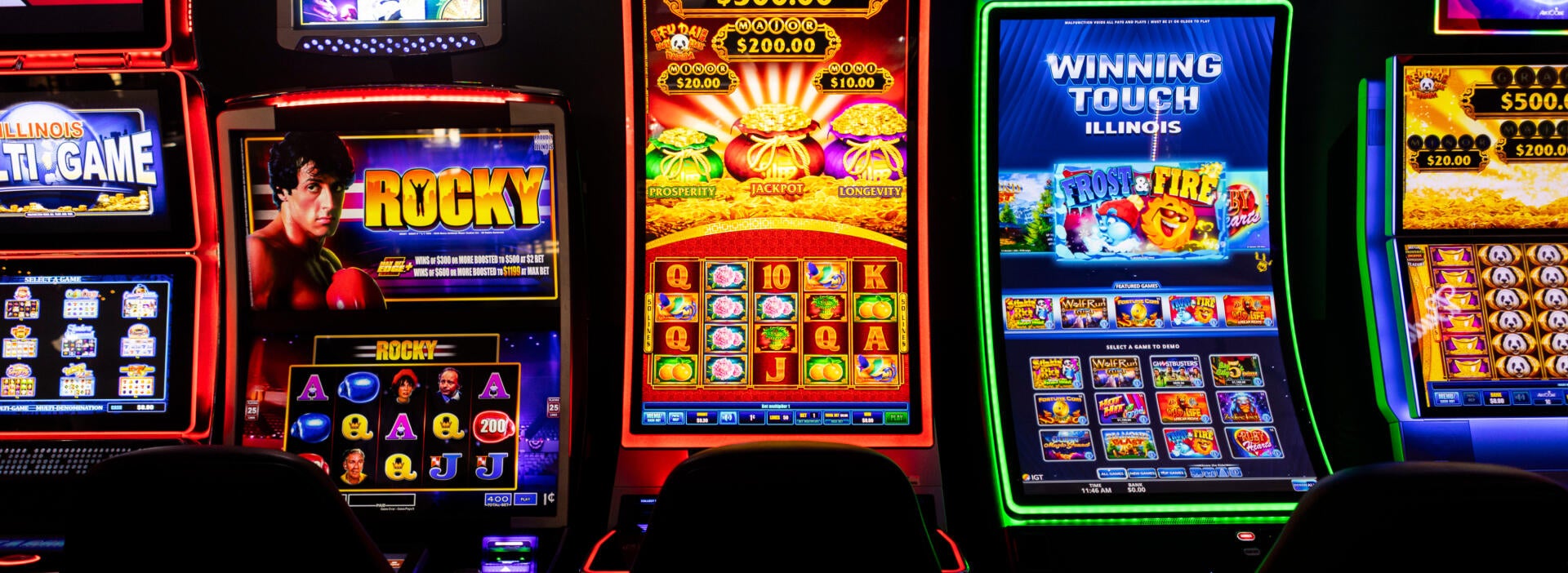
For the first time in nearly 50 years, the minimum amount to report as a jackpot win on slot machines will increase in 2026, the IRS confirmed in its guidance for filing W-2G forms. As part of the One Big Beautiful Bill Act, and as stated by the IRS in a "What's New" section of its guidance, the minimum threshold for jackpot wins on slots at land-based casinos increased to $2,000 starting Jan. 1 and will continue to rise in line with yearly inflation.
Casinos now need to make quick adjustment to tax increase
With the IRS' updated guidance, state regulators now have to update their own regulations to reflect the tax increase. In theory, they have not been able to act on the change as the IRS had yet to confirm it.
Because of those necessary updates, implementation at land-based casinos may not occur in time for the Jan. 1 effective date. The threshold has stood at $1,200 since it was first put into place in 1977, a total that the Bureau of Labor Statistics says is equivalent to $6,400 in 2025.
Casinos must issue a W2-G tax form whenever a player claims a slot machine jackpot that meets or exceeds the threshold. Facilities are also required to shut down the machine that paid out the jackpot for a certain period of time.
It should be noted that while the threshold for a W2-G increased, all winnings from slots are still taxable.
The increase to $2,000 was lauded by industry stakeholders across the country, although many hoped for a higher amount. That includes Nevada Rep. Dana Titus, who hoped the amount would rise to over $5,000 and called the new $2,000 total "inadequate."
Titus still fighting for reversal of gambling tax deduction
Another aspect of the One Big Beautiful Bill Act that is set to go into effect is a gambling tax deduction change that lowers the limit on deductibility to 90% from the 100% rate that had stood for over 60 years.
Titus has urged House representatives to overturn that change, though efforts have continually fallen short.
Essentially, the new rate means that someone playing online casino sites for real money who wins $10,000 but also loses $10,000 would be required to pay taxes on $1,000. Opponents of this new deductible standard have called this "phantom income" tax.
For her part, Titus drafted the Fair Accounting for Income from Betting Earnings and Taxation (FAIR BET) Act that would restore the 100% tax deduction. However, it did not gain enough steam for serious consideration.
Now, as Titus wrote in a letter to the chair of the House Ways & Means Committee, the 90% deduction rate may have "significant and harmful consequences" as individuals who gamble – including those playing casino games online – could be paying taxes on money they did not win. The deduction change, Titus put it, "unfairly burdens" players and would inevitably push them toward offshore and unregulated markets.
