Content on this page may include affiliate links. If you click and sign up/place a wager, we may receive compensation at no cost to you.
Newly signed bill will fund gambling addiction research for first time ever
The newly signed fiscal year 2026 defense appropriations package creates federal funding for gambling addiction research in both active and veteran military members.
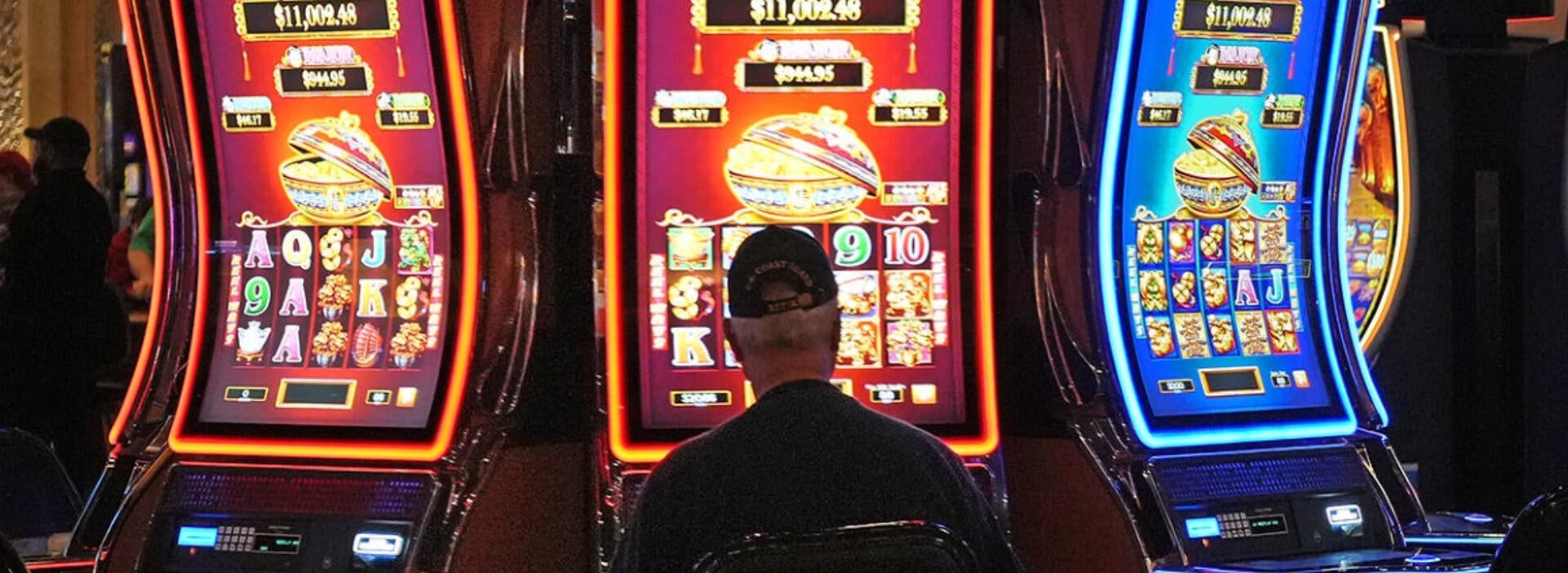
For the first time ever, funding will be available for federal government research to support the study of gambling addiction thanks to a defensive appropriations package for fiscal year 2026 that was recently signed by President Donald Trump. The package carves out $180 million for researchers to better understand gambling addiction, particularly in the military and for veterans while legal online casinos and sportsbooks continue to expand in the US.
Releasing funds for gambling addiction research 'a significant development'
The Department of Defense's Peer Reviewed Medical Research Program (PRMRP) will oversee the research after advocacy groups that promote responsible gambling and the study of problem gambling and addiction have long pushed for federal funding into the issue.
The National Council on Problem Gambling (NCPG) teamed up with gambling powerhouses FanDuel and BetMGM in summer 2025 to urge federal lawmakers to include gambling research funding in the FY2026 budget bill.
Now, they have gotten their wish, which, in a statement, the NCPG called "a significant development" for federal public health policy.
While the funding is limited to military and veteran groups, the NCPG conceded, it still represents a major step as Congress makes federal medical research available for peer-reviewed research on gambling addiction. This, the NCPG said, reflects a shift toward treating the issue as a recognized public health concern.
NCPG: Funding research for gambling addiction reduces stigma
As the NCPG emphasized in a press release, research has shown that gambling addiction is closely associated with elevated risk of suicide, as reflected by nearly 40 percent of responding veterans indicating they have attempted such.
Considering servicemembers face higher exposure to risk factors – such as stress and trauma – gambling addiction has been excluded from federal research priorities.
A 2022 Defense Department Health Related Behaviors Survey highlighted that 1.6% of active-duty servicemembers reported a problem with gambling, with 1.7% of reserve members screening as positive for a gambling addiction.
As Heather Maurer, executive director of the NCPG, said in a statement, including gambling addiction in the budget is a "clear signal" that it is a public health issue rather than a stigma. By investing in research, she added, "we reduce stigma, improve care, and build the knowledge needed to protect individuals, families, and readiness."
If you're going to play at a no deposit bonus casino, please do so responsibly.
